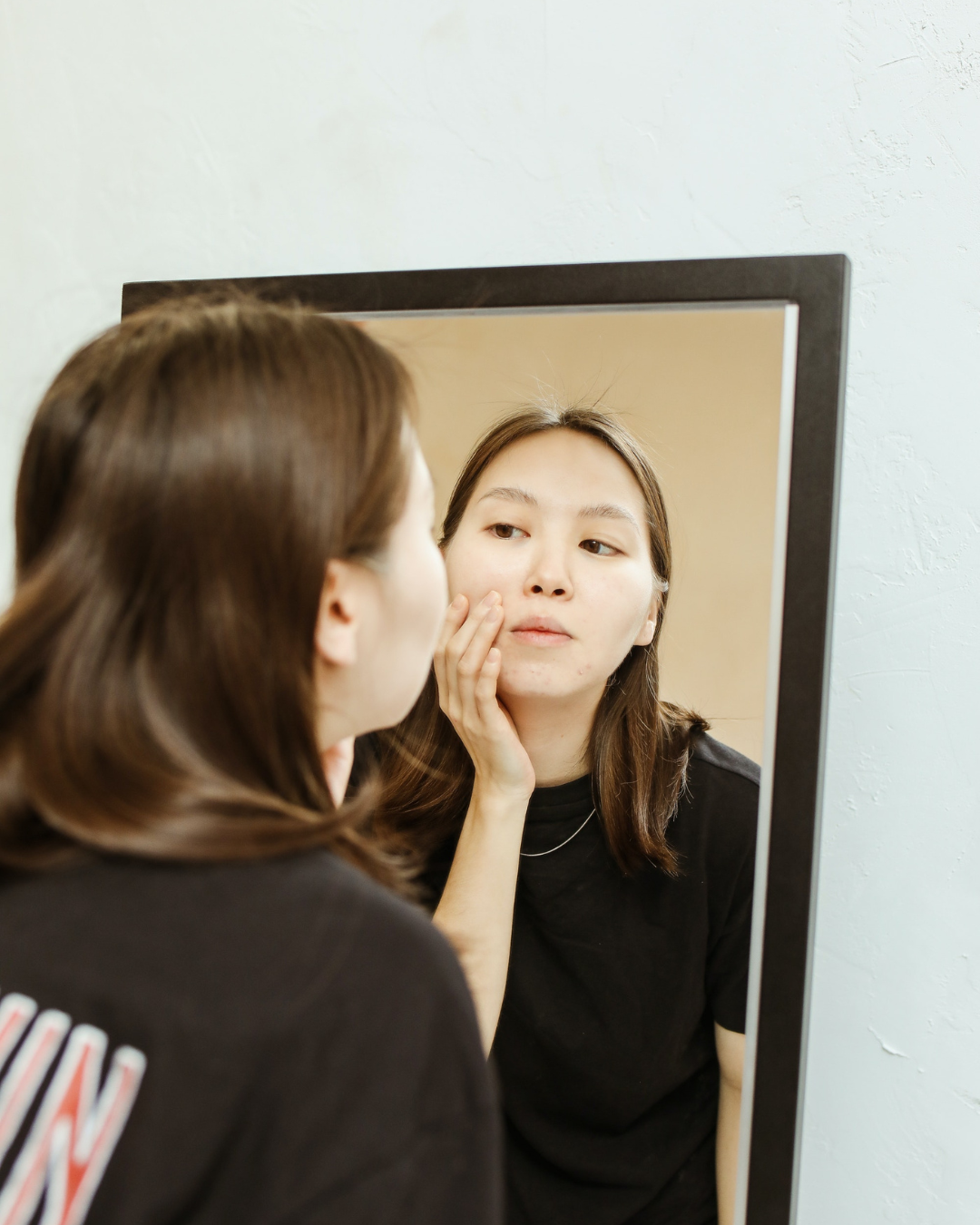
A question landed in our coaching call this week that I haven't been able to stop thinking about. It's one of those questions that sounds simple on the surface, but actually gets to the heart of everything we do.
My student's client was in her early 30s. Had been on Roaccutane years ago which had worked well for her skin for several years……but now the acne was back. No obvious trigger. Nothing had changed, leaving her, the therapist and her dermatologist stumped.
Here's the thing though: Skin changes never just come out of nowhere. There's always something going on. Our job is just learning how to find it 🔍
The way I think about this is that acne is the season finale. But the story started three seasons ago.
The plotline has included illness, stress, life events, medications, skincare changes, maybe a course of antibiotics at university that your client had almost forgotten about. Acne is just where it all finally lands.
And here's why this catches us out every time. When a client sits in front of you with inflamed, reactive skin, it feels like the beginning. For them it is the beginning. For you it's the start of your work together.
But it's not the beginning of the story.
It just looks like it is. Because the earlier episodes were happening quietly, beneath the surface, where neither of you could see them yet.
The Roaccutane piece is worth understanding here too. It would have worked for her acne. But unfortunately it makes you more vulnerable to it coming back, especially if the root causes weren't addressed at the same time. The collateral damage in terms of nutrient deficiencies, microbiome health, sebum gland function from roaccutane is real. And for some folks that can have a real impact on their health further down the line.
And the hormones? They're rarely the instigators.
They're the victims of our diet and lifestyle, just doing the best they can with the environment they're being asked to work in.
So here's something practical you can take into the clinic this week.
Next time a client says nothing has changed, before you touch a single product or treatment, try asking these three questions:
- What was going on in your life in the 12 months before this started?
- When was the last time you felt genuinely well in your body, not just your skin?
- What does a typical evening look like for you?
You're not diagnosing. You're finding the plotline. And those three questions will often tell you more than anything you can see on the skin. 🧩 It's exciting to think the most powerful thing in your treatment room might be something you already hold.
This is exactly the kind of thinking we build inside SBS. Not protocols. The ability to see what's actually driving what you're looking at. To join the waitlist for our summer launch - click here
Chloe x



Responses